
Everything You Need to Know About Environmental Conservation with 3 Examples from Across the Globe
What is environmental conservation?
Environmental conservation entails safeguarding, preserving, managing, or restoring natural habitats and the ecological communities residing within them.
These programs usually involve the application of human intervention, and even at times the lack thereof. The environments that can be conserved can vary from desert landscapes, savannahs, forests, underwater ecosystems, or even aerial ecosystems.
What are the 5 types of environmental conservation?
Generally, there are five kinds of environmental conservation. Namely, they are:
- Forest Conservation
- Soil Conservation
- Waste Management
- Public Awareness
- Pollution Control
Other schools of thought have outlined more categories of conservation including Animal Conservation, Marine Conservation, and Human Conservation.
What are the methods used to conserve the environment?
On an individual level, the three R’s have been popularized. They are reduce, reuse, and recycle. However, in a larger context, the methods of environmental conservation are countless and are dependent on the environment targeted and the goals that are being striven towards. This blog will outline three notable examples.
3 noteworthy initiatives and examples of environmental conservation from across the globe
1) Holistic Planned Grazing as a tool for fighting desertification in Africa and beyond
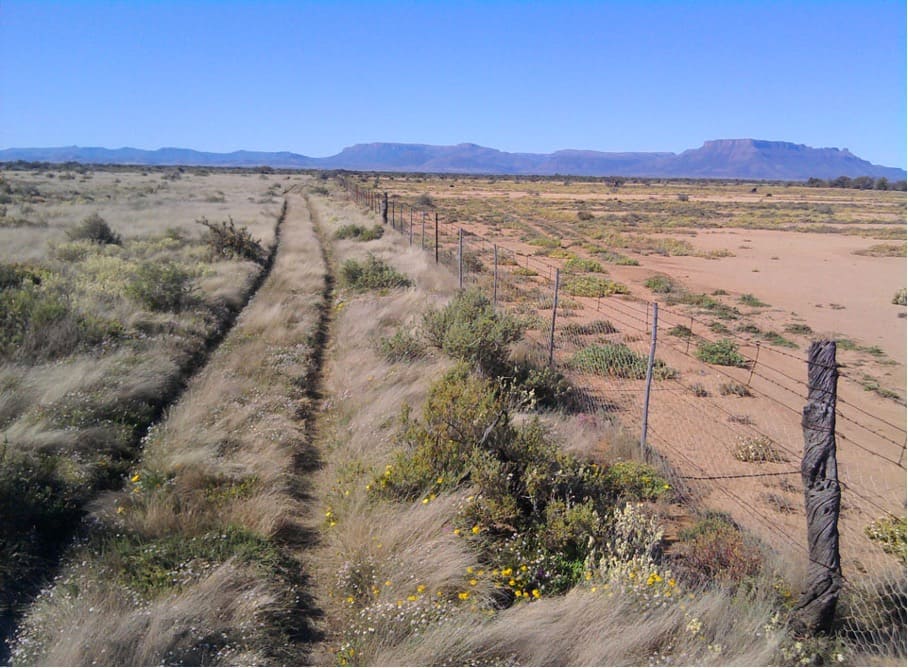
Popularized by ecologist Allan Savoury of the Savoury Institute, this soil conservation method known as Holistic Planned Grazing (or HPG) is a systematic desert restoration technique that is used to bring once-dead desert ecosystems back to life. The method employs cattle and grazing animals as a tool to reinvigorate desert landscapes into the savannahs or grasslands they once were.
Upon studying the ecological patterns in nature, Allan Savoury noticed that large herbivore herds with hooves and their predators were the very elements that kept these savannah or grassland environments alive. It was observed that if any of these two elements (the herbivores or the predators) were taken out of the equation, desertification would result.
As herds of large herbivores moved across the savannah they would stampede and stimulate the earth and break hard soil. These animals were kept in constant motion due to the threat of the predators who were hunting them. When these herds would rest, they would defecate on the grounds which would serve as fertilizer for the savannah grounds. Furthermore, their consumption of grassland fauna serves as pruning or mowing in the case of grasses which enables more vigorous plant growth and in some cases more convenient exposure to the sun.
With the above natural process working in tandem, come the rainy season, all rainwater is effectively utilized without the occurrence of flooding or run-off water, due to the layers of spongey topsoil produced by the herbivores which allow for maximum rainwater absorption and more vigorous growth of plant life. In the case of barren desert land, desert soil which already contains the seeds of grasses and other plants germinate and begin to bring the desert land back to life.
Allon Savoury observed these patterns and mimicked them using domesticated (and sometimes undomesticated) large herbivores by rotating them across several kraals across desertified land. Food is brought and spread on the desert land and the animals are stimulated to stampede the ground to mimic the behaviour of their wild cousins. Once the layers of topsoil have formed in the kraaled desert land, the animals are systematically moved to a different part of the land to start the process again thus mimicking the role of a predator that keeps the herd moving. This process is repeated until the rainy season comes, and in a few seasons, a once barren desert is regenerated into a thriving grassland ecosystem which soon attracts even more wildlife.
2) Tuna Conservation in the Marshall Islands
In the vast expanse of the Pacific Ocean lies the Marshall Islands, spanning over 750,000 square miles. Historically, Pacific Island nations have leased tuna-fishing rights to large international fleets, often with little oversight on sustainability practices.
Yet, commercial tuna fishing can inadvertently harm marine life like sea turtles, sharks, and young tuna. The loss of these vital species disrupts ecosystems, affecting everything from deep-sea habitats to coastal areas. However, stopping tuna fishing isn’t feasible as it’s integral to the Marshall Islands’ economy and heritage.
So, what’s the solution? Enter a fresh approach: a novel business model empowering the Marshall Islands to oversee every aspect of skipjack tuna fishing in its waters. Through a collaboration between The Nature Conservancy (TNC) and the Marshall Islands government, Pacific Island Tuna was born. This joint venture ensures that tuna fleets operate sustainably while also benefiting local Pacific Island communities.
Moreover, the partnership directs a portion of long-term profits towards climate resilience projects for vulnerable coastal communities. With luck, this innovative model will expand to include other island nations, fostering greater sustainability across the Pacific.
3) Environmental Conservation in the Philippines
Palawan Island is renowned globally for its breathtaking natural beauty, boasting pristine beaches, lush greenery, and sparkling clear waters. Unfortunately, in recent years, crucial habitats supporting coastal marine life have dwindled, impacting water quality and biodiversity.
To combat this decline, conservation volunteers are taking action. They plant mangroves, participate in beach clean-ups, and creatively recycle collected trash by stuffing it into plastic bottles to make eco-bricks. These eco-bricks find new life in local building and construction projects, promoting sustainability.
Moreover, volunteers seize the chance to educate students in the area about sustainable environmental practices, ensuring a brighter, greener future for Palawan’s ecosystem.
Arab Vet Examinations
Are considering embarking on a conservation project? Are you unsure of where to start? Arab Vet Examinations is an excellent bet. Equipped with a robust research background and experience in ecological genomics, we will aid you in solving all your ecological woes professionally and promptly.
Navigate to our Ecological genomics service page or call us directly on…